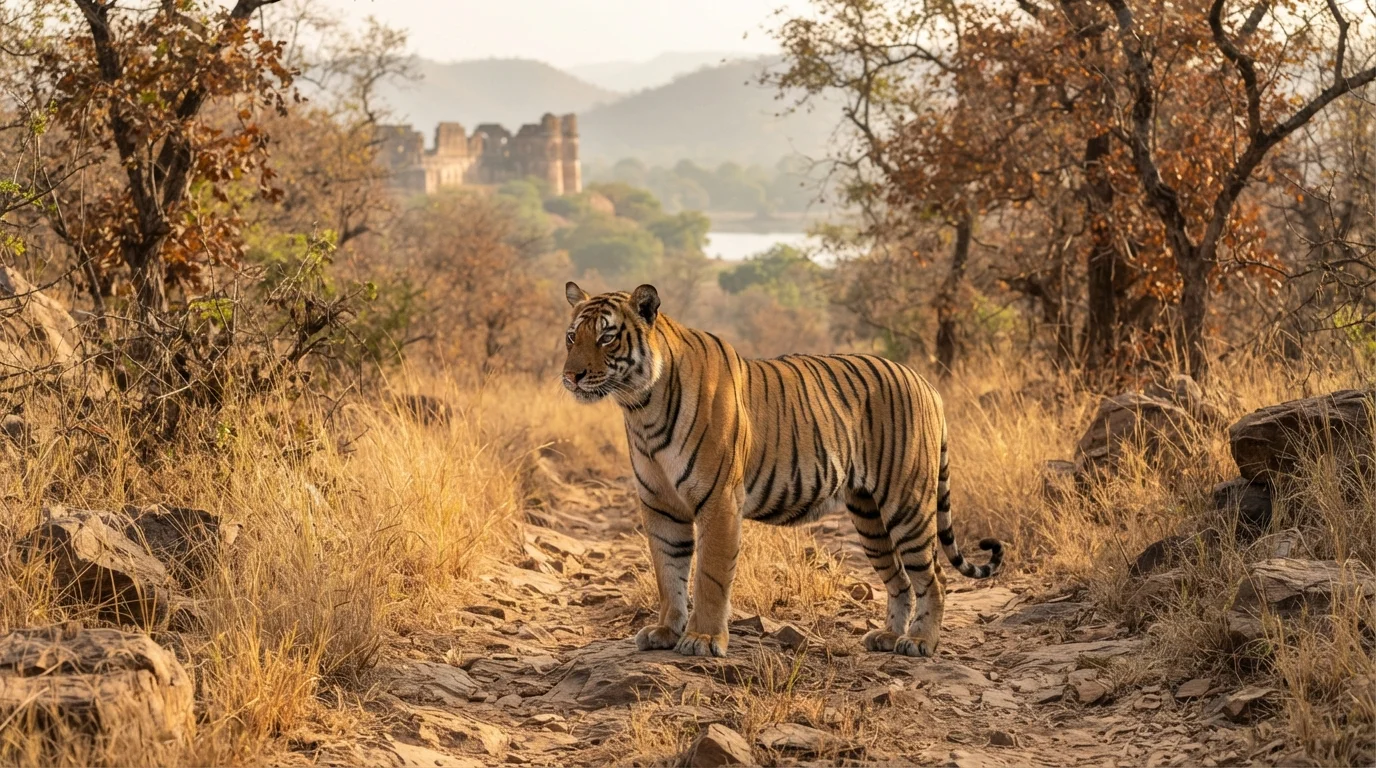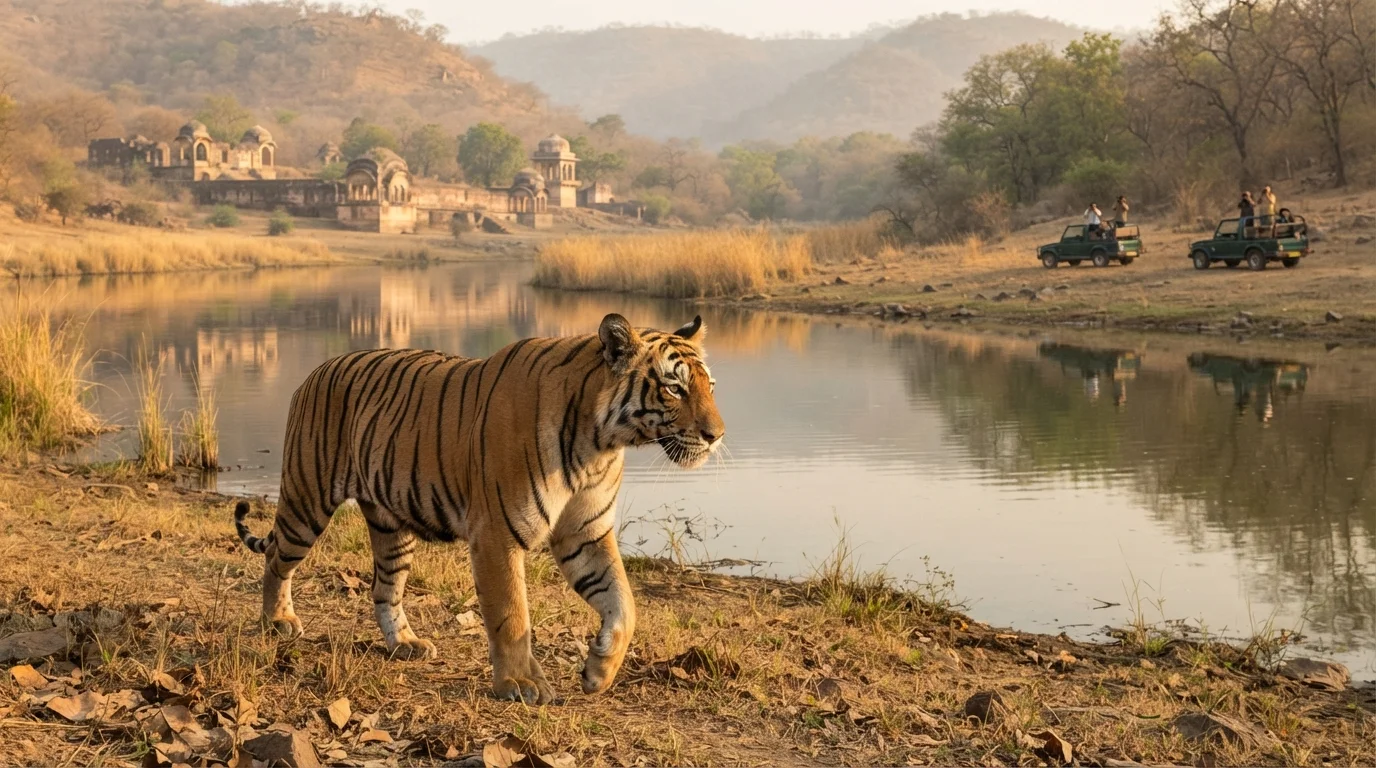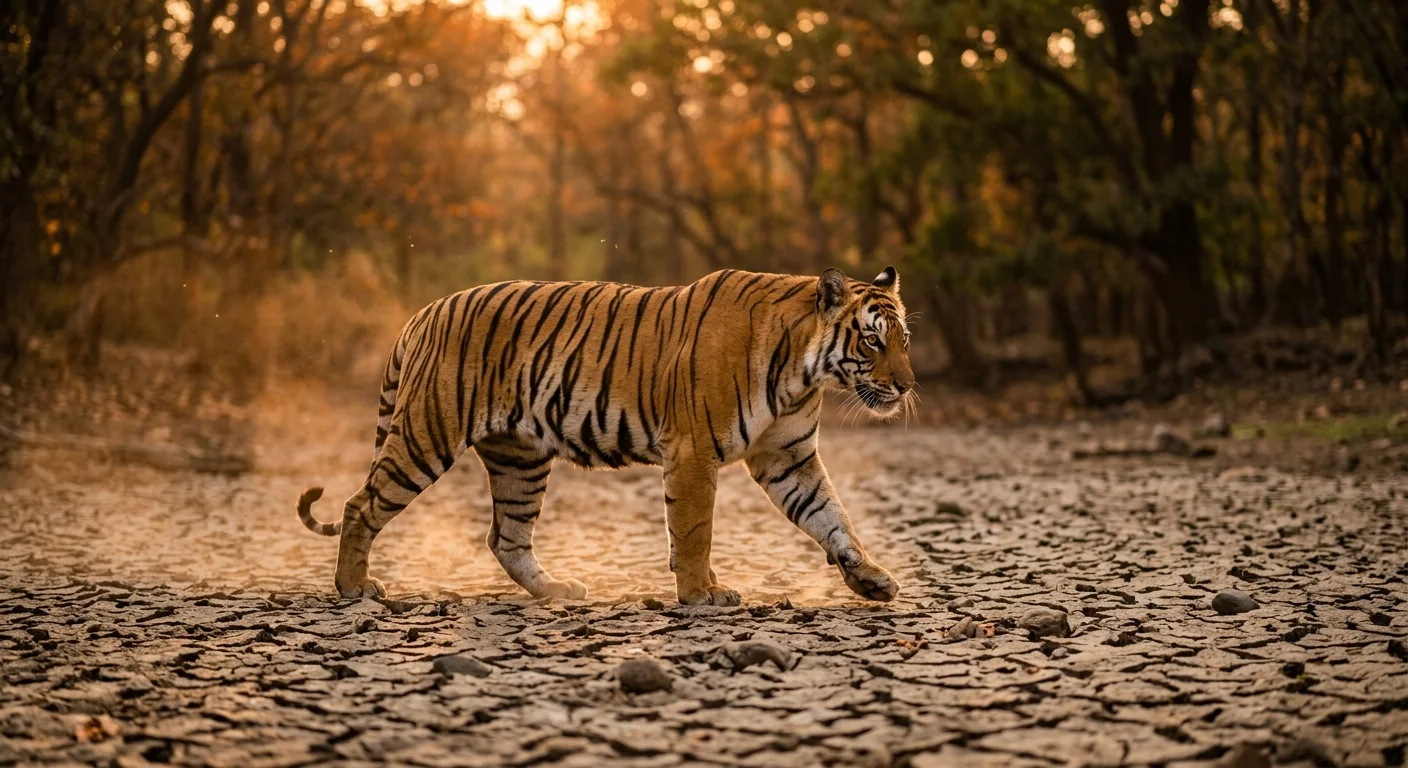
If you’re dreaming of watching a wild Bengal tiger stroll across a dry riverbed in the golden light of dawn, a well-planned Ranthambore safari booking is where that dream begins. Ranthambore National Park, one of India’s most celebrated tiger reserves, welcomes thousands of wildlife lovers every season — and safari seats are limited by design. Whether you’re booking your first jungle safari or you’ve done this before, understanding the zones, vehicle types, timings, and the official booking process will save you time, money, and disappointment. This guide walks you through everything you need for a smooth Ranthambore safari booking, from choosing between a Gypsy and a Canter to picking the right season and the right zone.
Why Ranthambore Safari Booking Fills Up Fast
Ranthambore National Park spans over 1,300 square kilometres, but only a fraction of that area — divided into ten numbered safari zones — is open to tourists. Each zone allows a strictly limited number of vehicles per shift, morning and evening. This isn’t a park where you can simply walk up to the gate and hop into a jeep; every seat is allocated through the forest department’s booking system, and once a shift is full, it’s full. During peak season — November through March, and again in the summer months when tigers gather near waterholes — demand for a Ranthambore safari booking regularly outpaces supply. That’s exactly why serious wildlife travellers book their permits weeks, sometimes months, ahead of their travel dates.
Gypsy vs Canter: Choosing the Right Safari Vehicle
Before you book, you’ll need to decide how you want to experience the jungle. Ranthambore offers two very different vehicle options, and each suits a different kind of traveller.
| Feature | Gypsy (Jeep) Safari | Canter Safari |
| Seating Capacity | 6 passengers + guide & driver | Up to 20 passengers + guide & driver |
| Best For | Couples, families, photographers | Large groups, budget travellers |
| Vehicle Type | Open 4×4, closer to the ground | Open-top bus, higher vantage point |
| Zone Access | Available in all zones | Not permitted in every zone |
| Flexibility | Can stop and manoeuvre quickly | Fixed route, slightly less flexible |
| Price (Indian nationals) | Higher per seat | More budget-friendly per seat |
| Price (Foreign nationals) | Premium pricing applies | Comparatively economical |
| Booking Demand | Sells out fastest | Slightly easier to secure |
If photography and a personal, close-up wildlife experience matter most to you, the Gypsy is worth the extra cost. If you’re travelling with a larger group or want a more affordable safari, the Canter is a practical choice.
Ranthambore Safari Zones: Which One Should You Book?
Ranthambore’s ten zones are split into core zones (1–5) and buffer zones (6–10). Core zones sit closer to the park’s famous lakes — Padam Talao, Rajbagh, and Malik Talao — and are historically associated with more frequent tiger movement. Buffer zones offer wider, quieter landscapes and are excellent for sightings during less crowded shifts.
- Zones 2, 3 and 4 are consistently rated among the best for tiger sightings, especially around the lake belt.
- Zone 6 offers open grassland terrain that’s great for spotting tigers on the move.
- Zones 1 and 5 combine forest tracks with views near Ranthambore Fort.
- Zones 7–10 are quieter buffer areas, ideal if you want a peaceful safari with a fair sighting chance.

Zone allocation depends on availability at the time of booking, and the forest department rotates access, so no single zone guarantees a sighting. For a deeper look at how healthy the park’s tiger population is today, our post on the tiger population of Ranthambore National Park is worth a read before you finalise your zone preference.
Step-by-Step Ranthambore Safari Online Booking Process
Booking your safari doesn’t have to be complicated once you know the steps.
- Visit the official booking portal or book through a registered operator like Ranthambore Nature Camp.
- Select your travel date, shift (morning or evening), and preferred zone.
- Choose your vehicle type — Gypsy or Canter.
- Enter accurate ID details for every visitor, including name, age, gender and ID number.
- Make the full payment online; safari bookings are confirmed only after payment.
- Save your confirmation and carry the original ID proof on the day of the safari.
- Arrive at the designated safari gate at least 30 minutes before your shift begins.
Advance bookings typically open around 90 days before the travel date, with a smaller “Tatkal” quota released closer to the date for last-minute travellers. If you’d like a broader look at how online reservations work across Ranthambore’s safaris, check our earlier post on jungle safari online booking.
Best Time to Plan Your Ranthambore Safari Booking
Timing your trip affects both sighting chances and overall comfort.
- October to February: Cool, pleasant weather — great for birdwatching and comfortable game drives.
- March to June: Hot, dry conditions push tigers toward waterholes, often improving sighting odds.
- July to September: The park stays closed for the monsoon and breeding season.
For exact gate timings and current entry fee details, our detailed guide on Ranthambore National Park timings and entry fees covers everything season by season.
Documents You’ll Need at the Time of Booking
- Government-issued photo ID for Indian nationals (Aadhaar, Voter ID, PAN, or Driving Licence).
- Passport for foreign nationals — this is the only accepted ID for international visitors.
- Correct age and gender details for every traveller, exactly as printed on the ID.
- A printed or digital copy of your booking confirmation for gate verification.
Don’t Miss the Chambal Safari: A Different Side of Wild Rajasthan
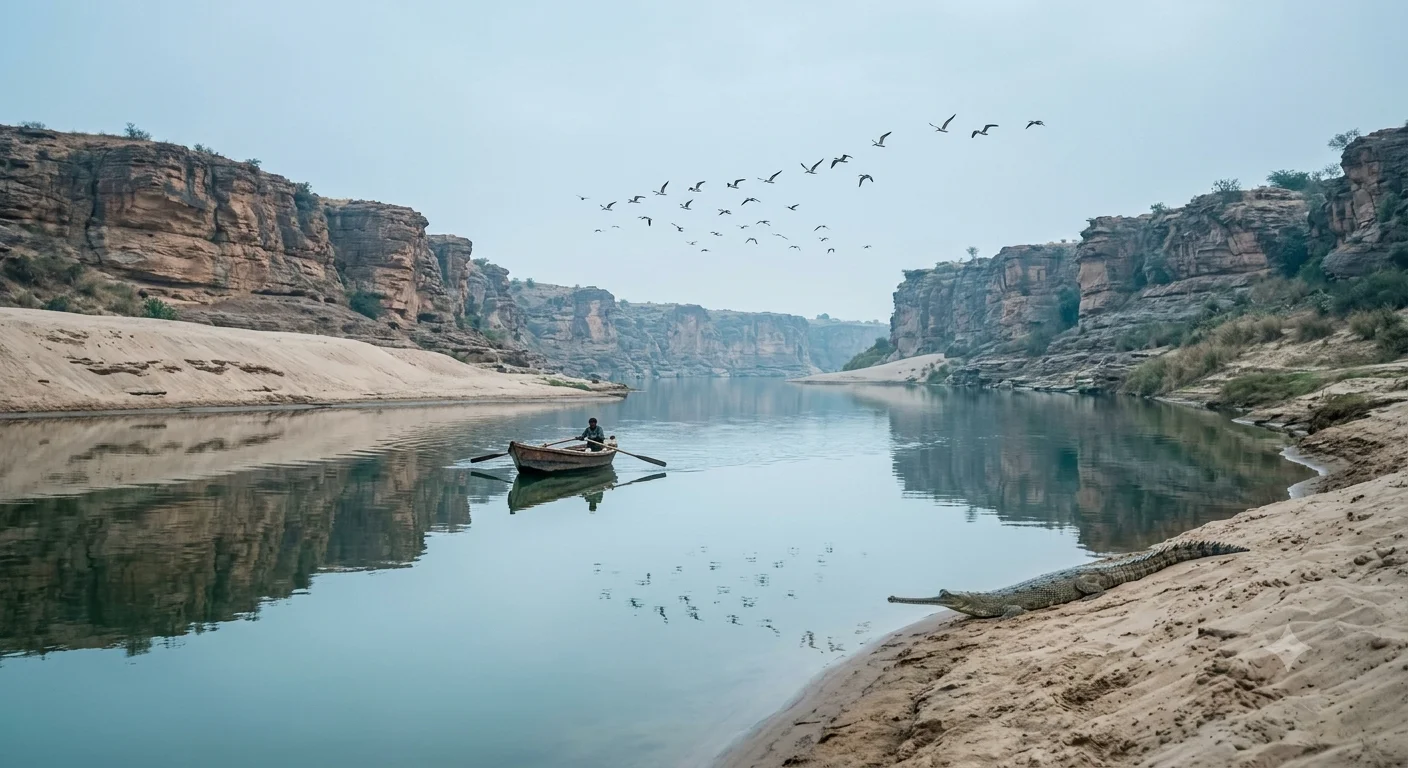
While most visitors focus entirely on tiger sightings, a Ranthambore trip feels incomplete without experiencing the Chambal Safari — a completely different kind of wildlife encounter, just a short drive away. Instead of dense forest tracks, the Chambal Safari takes you gliding down the Chambal River in a small boat, past dramatic ravines and untouched sandbanks. Here, the stars aren’t tigers but gharials, marsh crocodiles, the critically endangered Gangetic river dolphin, and an incredible variety of resident and migratory birds.
It’s calmer, quieter, and offers a completely different rhythm from a jungle drive — an ideal add-on for travellers who want to see more of Rajasthan’s wilderness beyond the tiger trail. Many guests pair their jungle safari with a Chambal Safari booking on the same trip to make the most of their time near Ranthambore.
Where to Stay for Easy Access to Both Safaris
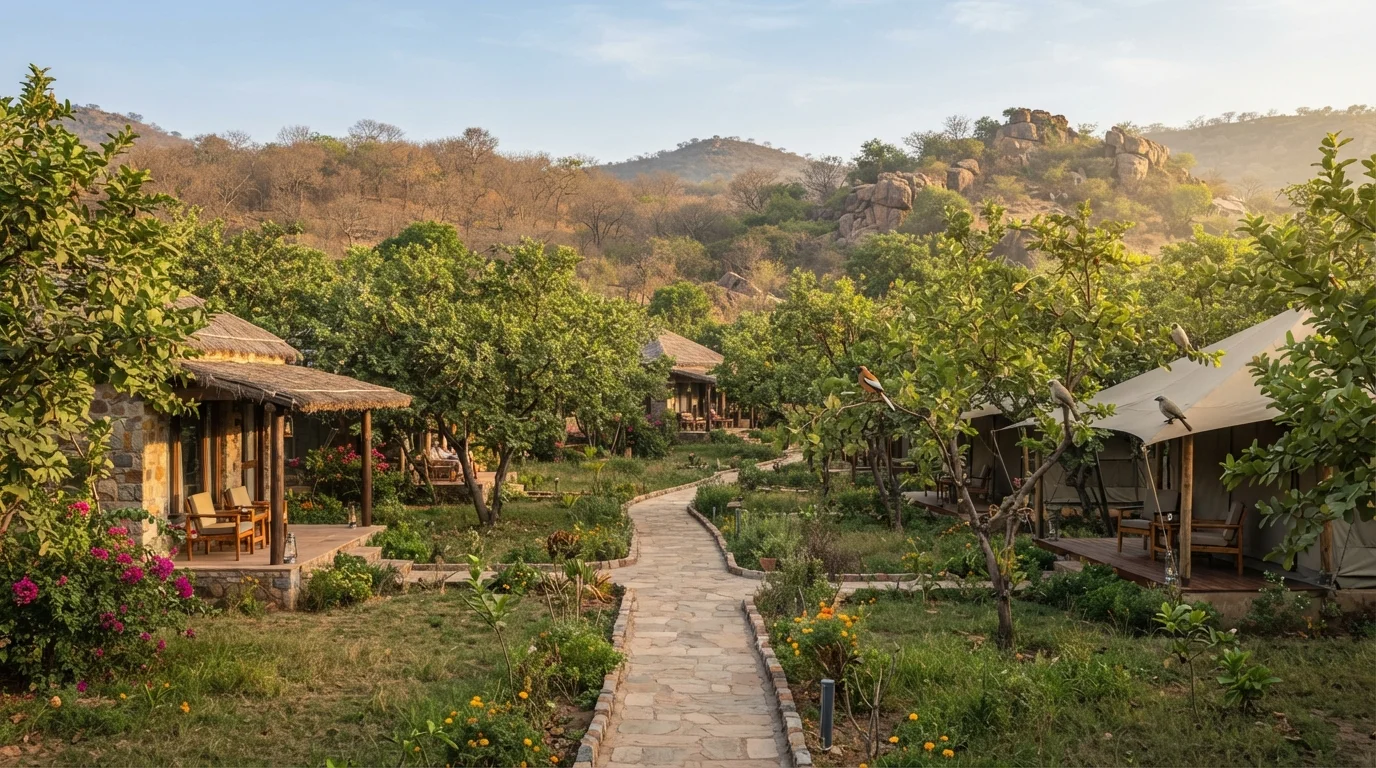
Where you stay matters almost as much as which zone you book — safari gates open early, and a long commute can cost you precious minutes at check-in. Ranthambore Nature Camp is located close to the park entrance, with comfortable stay options ranging from the Deluxe Room and Super Deluxe Room to the AC Swiss Camp for those who want a more immersive, tented experience. The property also follows sustainable, low-impact hospitality practices — you can read more about that on our sustainable tourism page. Staying nearby means you can comfortably combine an early-morning jungle safari with an afternoon Chambal Safari without rushing between locations.
Quick Tips for First-Time Ranthambore Safari Bookers
- Book at least 60–90 days ahead during peak season (December–February).
- Wear neutral, muted colours — bright clothing can startle wildlife.
- Carry binoculars and a zoom lens if photography is a priority.
- Keep noise levels low; sudden sounds reduce sighting chances for the whole vehicle.
- Reach the gate early — latecomers can lose their allotted seat.
- Double-check ID details before submitting your booking; mismatches can cause entry issues.
Ready to Book Your Ranthambore Adventure?
From tiger safaris in the core zones to a peaceful Chambal Safari on the river, Ranthambore Nature Camp can help you plan a seamless wildlife trip from start to finish. Contact us today to check availability and confirm your Ranthambore safari booking.
Frequently Asked Questions
1. How many days in advance should I make my Ranthambore safari booking?
It’s best to book 60–90 days in advance, especially for travel during peak season (December to February) or if you want a specific zone.
2. What is the difference between Gypsy and Canter safaris?
A Gypsy is a 6-seater open jeep offering a closer, more personal experience, while a Canter is a 20-seater open bus that’s more budget-friendly and suited to larger groups.
3. Can I choose my safari zone while booking?
You can express a zone preference at the time of booking, but final allocation depends on availability and forest department rules.
4. Is the Chambal Safari different from the Ranthambore jungle safari?
Yes. The Chambal Safari is a boat ride along the Chambal River focused on gharials, crocodiles, river dolphins and birdlife, while the jungle safari is a vehicle-based tiger safari inside the national park.
5. What documents do I need for Ranthambore safari booking?
Indian nationals need a government photo ID (Aadhaar, Voter ID, PAN, or Driving Licence), and foreign nationals need a valid passport.
6. Is a tiger sighting guaranteed on a Ranthambore safari?
No sighting can ever be guaranteed, but Ranthambore has one of India’s healthiest tiger populations, and choosing core zones during peak months improves your chances.